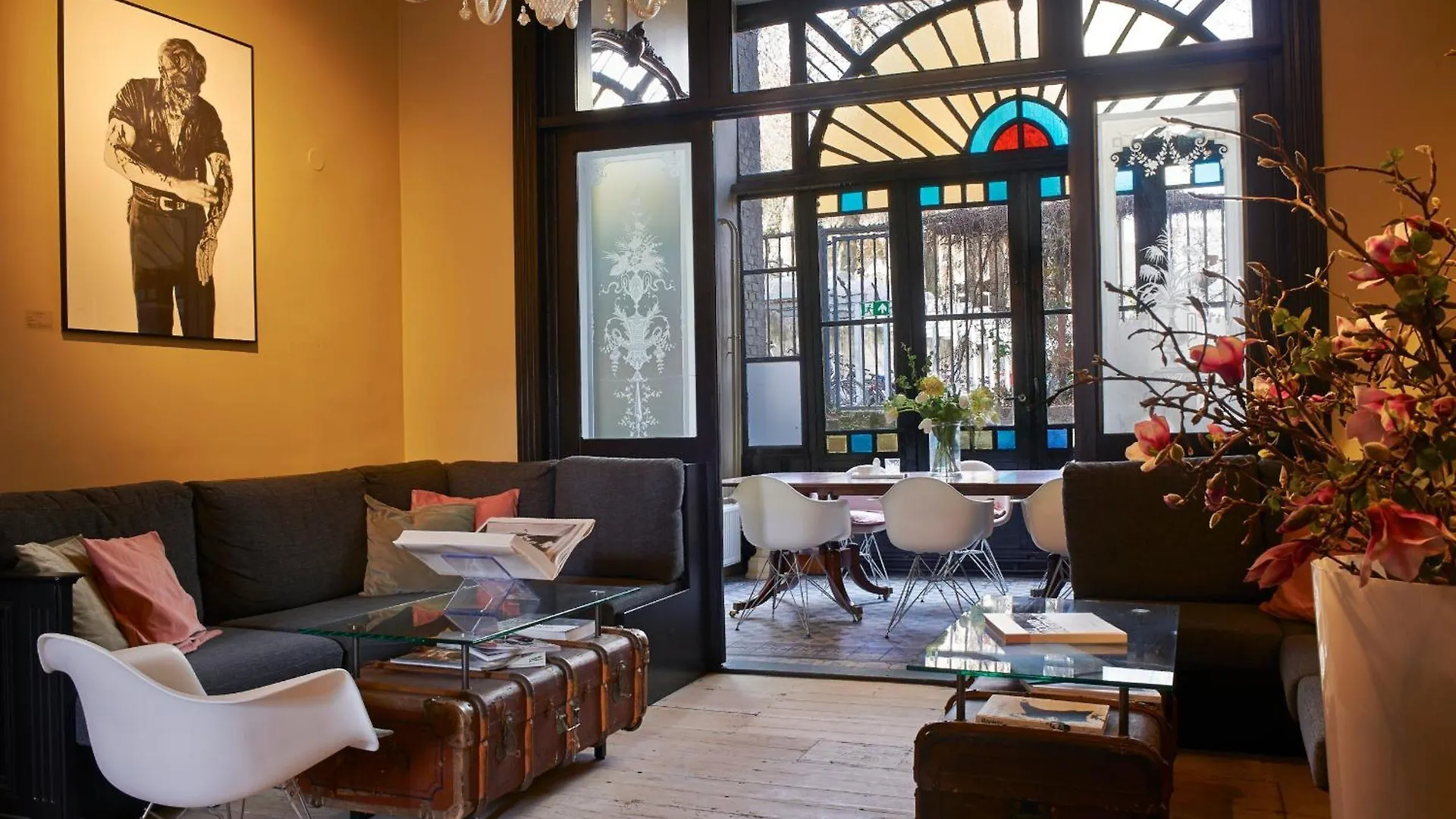
Maastricht City Centre is one of the most walkable historic cores in the Netherlands, where Roman foundations sit beneath Gothic churches and 18th-century merchant houses now host boutique hotels. Staying centrally means the Vrijthof, Onze Lieve Vrouweplein, and the luxury shopping street Stokstraat are all within minutes on foot - no tram required. This guide breaks down the four strongest central hotels in Maastricht City Centre, with honest insight into what each one delivers and who each suits best.
What It's Like Staying in Maastricht City Centre
Maastricht City Centre is compact enough that nearly every major attraction sits within a 10-minute walk of a central hotel. The Jekerkwartier, Vrijthof, and Stokstraat form a triangle where most of the city's historic weight is concentrated, and staying inside it eliminates any need for local transport during the day. Weekend crowds surge noticeably from Friday evening through Sunday, especially around the Vrijthof terraces, which means noise levels at street-facing rooms can be significant - something to weigh before booking. Bus connections to Maastricht Central Station run reliably, with stops like Helmstraat and Papenstraat within a 2-minute walk of most central properties, keeping the station around 15 minutes away on foot or under 5 by bus.
Pros:
- Vrijthof, Onze Lieve Vrouweplein, and Stokstraat are reachable within minutes on foot from any central hotel
- Bus stops within 2 minutes of most properties connect directly to Maastricht Central Station
- The historic density of the centre means cultural, dining, and shopping options are immediately accessible without transport costs
Cons:
- Weekend evenings around the Vrijthof generate significant street noise, especially for lower-floor or square-facing rooms
- Parking in the centre is limited and expensive - drivers should verify private parking availability before booking
- Peak tourist periods (Carnival in February and summer weekends) push occupancy to near capacity, limiting last-minute availability
Why Choose a Central Hotel in Maastricht City Centre
Central hotels in Maastricht City Centre occupy a distinct category: many are housed in protected historic monuments - Art-Deco facades, 18th-century townhouses, Roman-era foundations - which gives them an architectural character that newer peripheral properties simply cannot replicate. Rates at centrally located hotels typically run around 20% higher than comparable accommodation near the station or in the Wyck district across the Maas, but that premium buys immediate walkability to the city's densest concentration of restaurants, wine bars, and museums. Room sizes in heritage buildings tend to be irregular, with some featuring exposed beams and high ceilings while others are more compact; checking specific room categories before booking matters here more than in standardised chain hotels. The trade-off is consistent: more character and location precision, but less predictable sound insulation and fewer on-site facilities like gyms or pools compared to larger hotels outside the centre.
Pros:
- Accommodation in architecturally significant buildings with Art-Deco, medieval, and 18th-century character not found outside the centre
- Immediate access to Maastricht's highest-rated dining and wine scene, concentrated around Vrijthof and Onze Lieve Vrouweplein
- Most central hotels include breakfast, reducing daily spend in an area where café prices are above the Dutch average
Cons:
- Heritage building constraints mean rooms vary significantly in size and layout - standardised comfort is not guaranteed
- Sound insulation in older structures is often limited, particularly for rooms facing busy pedestrian squares
- On-site amenities such as fitness centres or spa facilities are rarely available within the buildings themselves
Practical Booking & Area Strategy for Maastricht City Centre
The strongest micro-location within the centre is the axis between Vrijthof and Onze Lieve Vrouweplein, where hotels on or directly adjacent to these squares offer the shortest walking times to Maastricht's most visited sites - Sint Servaasbasiliek, the Bonnefantenmuseum approach, and the Stokstraat boutique strip. Hotels positioned in the Jekerkwartier, slightly south of Onze Lieve Vrouweplein, offer a quieter atmosphere while remaining within a 3-minute walk of the main squares. Maastricht's Carnival in February and its antiquities fair (TEFAF in March) are the two periods when central hotel availability drops most sharply - booking at least 8 weeks ahead for these windows is strongly advised. For visits outside these peaks, the centre remains busy on weekends year-round given Maastricht's status as a Belgian and German cross-border shopping destination, so midweek stays deliver better rates and noticeably fewer crowds on the terraces and in the Stokstraat. Things to do within direct walking distance include the Basilica of Saint Servatius, the Treasury of the Basilica of Our Lady, the underground caves of Mount Saint Peter (a short bus ride away), the Vrijthof square, and the full length of Stokstraat's independent boutiques - all accessible without any transport from a central base.
Best Value Stays
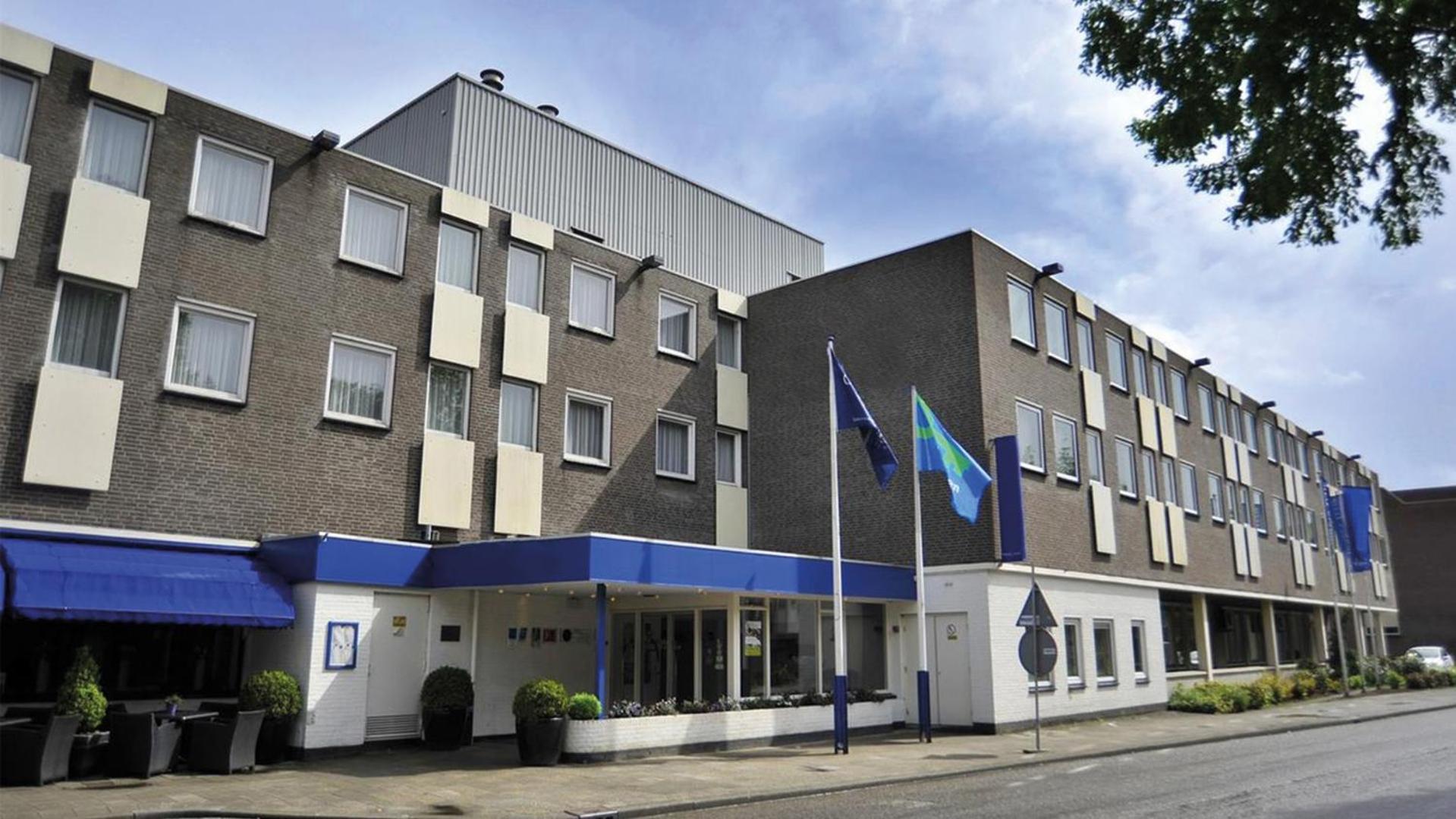
These hotels deliver central Maastricht positioning in historic buildings with solid breakfast inclusions, at rates that sit below the top-tier properties on the Vrijthof or Onze Lieve Vrouweplein.
-
1. Hotel Les Charmes
Show on map


 Check-infrom 14:00 until 20:00Check-outuntil 12:00
Just a few rooms left at the best rate!
from€ 105
-
2. Hotel Au Quartier
Show on map


 Check-infrom 14:30 until 20:00Check-outfrom 07:00 until 11:00
Just a few rooms left at the best rate!
from€ 81
Best Premium Stays
These two properties sit directly on or adjacent to Maastricht's most prominent squares, with architectural identity, square-facing room options, and on-site dining that justifies the higher rate for guests who want the full historic centre experience.
-
3. Amrath Hotel Ducasque
Show on map


 Check-infrom 15:00 until 23:59Check-outuntil 11:00
Hurry – almost gone at this price!
from€ 103
-
4. Hotel Derlon
Show on map


 Check-infrom 15:00 until 23:59Check-outuntil 12:00
Rooms filling fast – secure the best rate!
from€ 148
Smart Travel & Timing Advice for Maastricht City Centre
Maastricht City Centre operates on a tourism rhythm that differs markedly from most Dutch cities. TEFAF in March - the world's leading art and antiques fair - fills every central hotel weeks in advance and pushes rates to their annual peak; if your travel dates overlap, book at least 10 weeks ahead or accept that central availability will be gone. Carnival, celebrated in February with considerably more intensity than in most of the Netherlands, creates a similar demand spike with the added factor of significant street noise throughout the centre for several days. Outside these two events, summer weekends (June through August) see the Vrijthof terraces and Stokstraat at their busiest, driven by Belgian and German day visitors, which makes midweek stays in summer noticeably quieter and often around 15% cheaper. Autumn - particularly October and November - is the most underrated window: crowds thin, rates soften, and the Jekerkwartier and the riverside walks along the Maas are at their most atmospheric. A stay of 2 nights covers the core of the centre thoroughly; 3 nights allows for a day trip to the Sint Pietersberg caves or across the border to Liège or Aachen. Last-minute bookings work only in winter weekdays - for any other window in this small, high-demand centre, advance planning is essential.