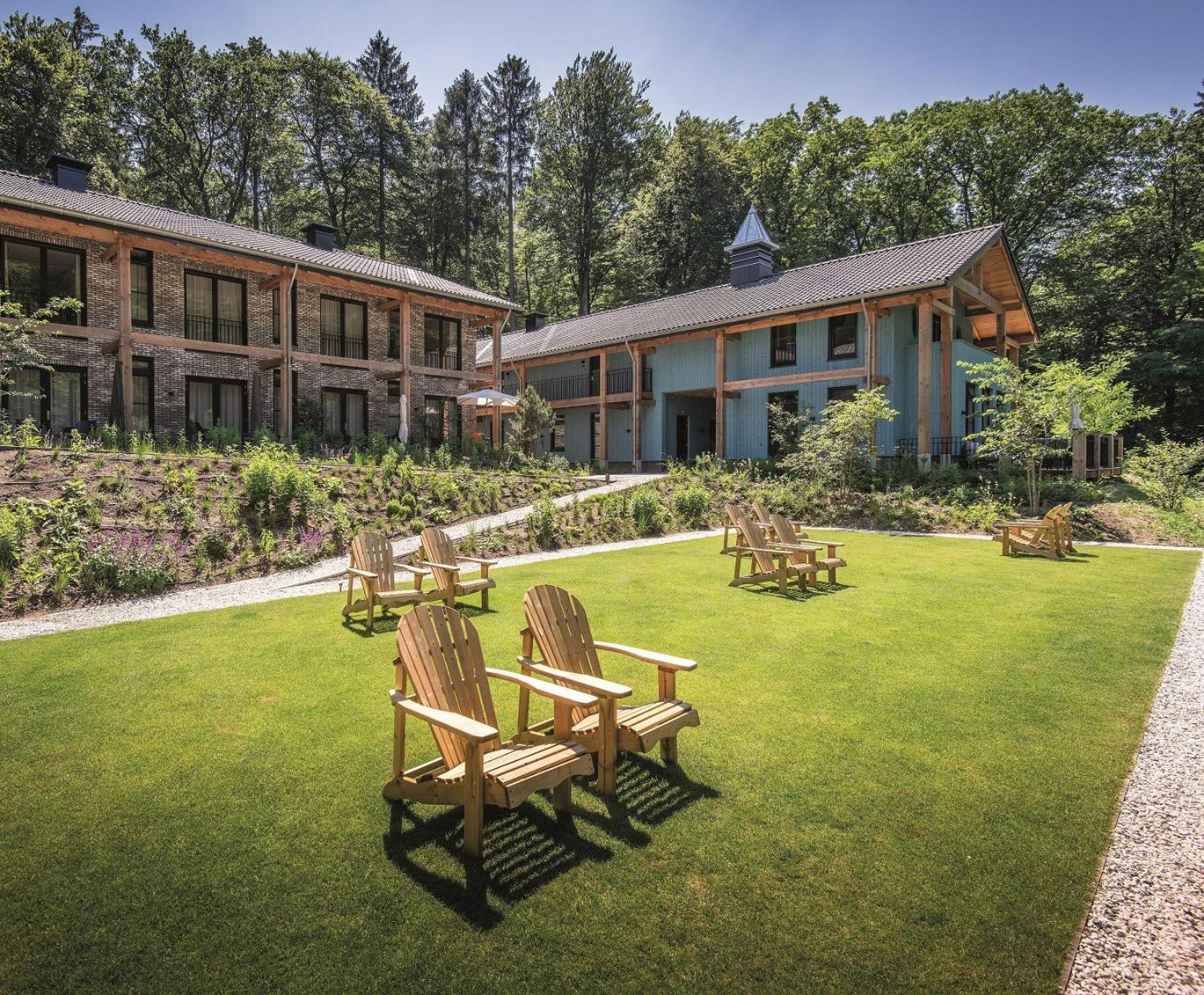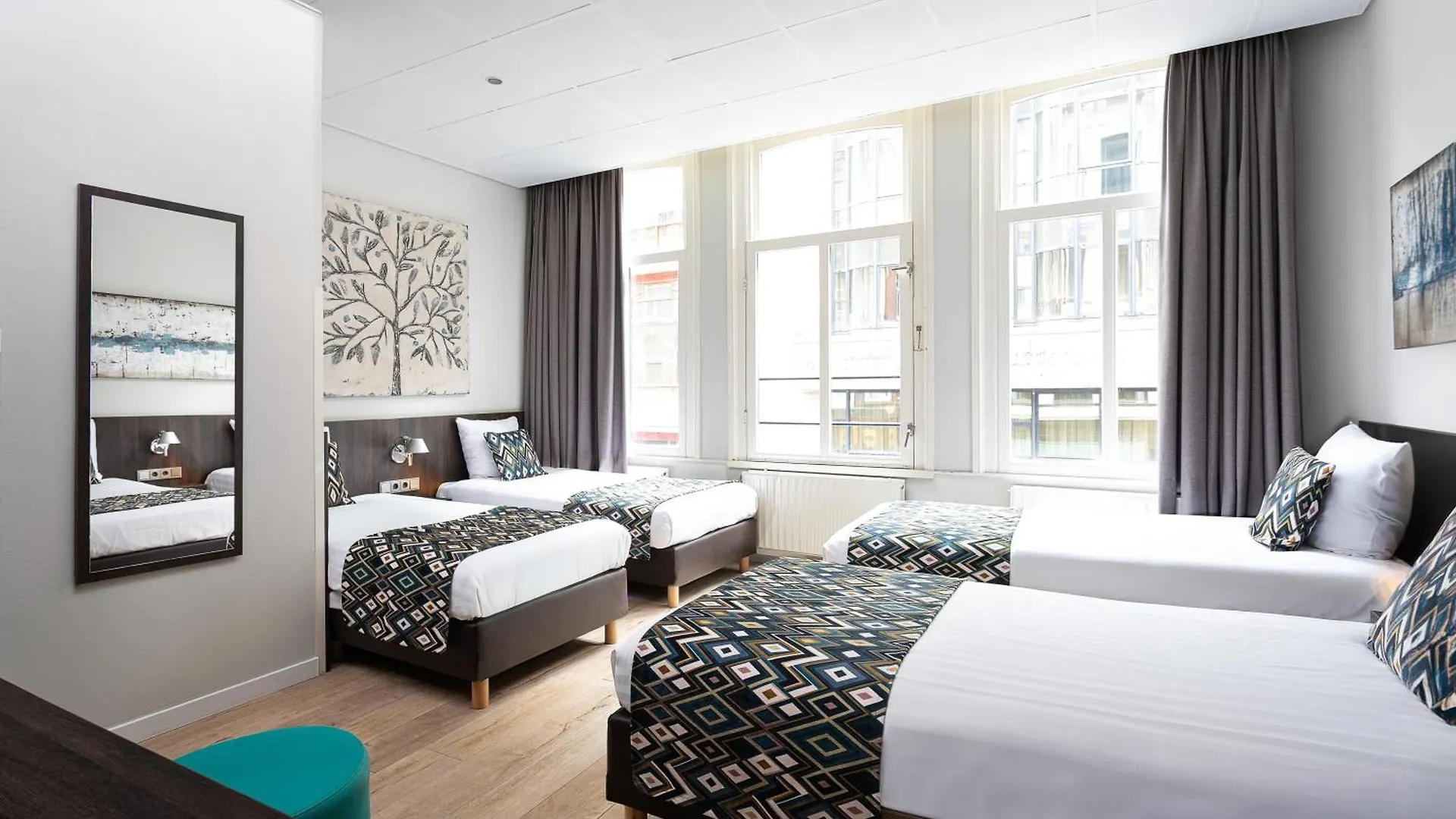
The National Pipe Museum (Pijpenkabinet) sits on Prinsengracht in Amsterdam's Canal Ring, one of the most walkable and historically dense neighborhoods in the city. Staying nearby puts you within easy reach of canal-side streets, independent shops, and a dense cluster of cultural sites - all without relying on public transport for daily exploration. This guide compares 4 hotels that give you practical access to the museum and the broader Canal Ring area, with honest trade-offs on price, noise, and location.
What It's Like Staying Near National Pipe Museum
The National Pipe Museum is located on Prinsengracht 488, in the Jordaan-adjacent stretch of Amsterdam's UNESCO-listed Canal Ring. The surrounding streets - Prinsengracht, Keizersgracht, and Leidsegracht - are residential and touristic in equal measure, with a pace that slows noticeably once you move a block or two off Leidseplein. The Canal Ring is one of the most in-demand areas in Amsterdam, which means hotels close to the museum command a premium and availability tightens fast during peak months. Most major sites, including the Anne Frank House and the Rijksmuseum, are reachable on foot in under 15 minutes from this zone, making a central stay genuinely functional rather than just scenic.
Pros:
Walking access to Jordaan, Leidseplein, and the main canal belt without needing a tram or metro
Fewer crowds compared to the Dam Square cluster, especially in the evenings
High density of brown cafes, specialty shops, and independent restaurants within 5 minutes on foot
Cons:
Canal Ring hotels are among the most expensive in Amsterdam, with fewer budget options directly on the water
Narrow canal streets can make arriving with luggage by car or taxi genuinely inconvenient
Weekend nights near Leidseplein bring noticeable noise that can carry into nearby accommodations
Why Choose These Hotels Near National Pipe Museum
Hotels in and around Amsterdam's Canal Ring and city center serve a range of traveler types, from those who want the full historic-Amsterdam experience to those prioritizing transport connectivity over postcard views. Properties closer to Dam Square offer lower price points and metro access, while hotels in the Oud-Zuid and Vondelpark corridor trade immediate canal proximity for calmer surroundings and larger room footprints. The four hotels in this guide span from the heart of the center to the airport fringe, giving you clear options depending on whether you're optimizing for walkability to the museum or for overall Amsterdam logistics.
The difference in nightly rates between a canal-adjacent city center hotel and an airport-area property can reach around 40% during high season, a gap that becomes meaningful for multi-night stays. Room sizes in the historic center tend to run smaller due to the building constraints of 17th-century canal houses, while newer or peripheral hotels offer more square meters for the same or lower rate.
Pros:
Central options put the National Pipe Museum and the canal belt within walking distance, eliminating daily transport costs
Airport-adjacent properties suit travelers with early flights or late arrivals without requiring an overnight at Schiphol
Mid-city options near Vondelpark offer a balance between cultural access and neighborhood calm
Cons:
Hotel rooms in the historic center are often compact, with limited storage and no on-site parking
Properties near Dam Square face consistent street noise and foot traffic around the clock
Outer-district hotels require tram or transit time to reach the museum, adding around 25 minutes each way
Practical Booking & Area Strategy
For the closest possible access to the National Pipe Museum on Prinsengracht, target hotels along or within two blocks of Keizersgracht, Leidsegracht, or Prinsengracht itself - these streets put you within a 10-minute walk of the museum entrance without crossing any major transit corridors. Leidseplein acts as a natural transport hub for this zone, with trams 2, 11, and 12 connecting directly to Central Station and the Rijksmuseum corridor, which means even hotels slightly further south remain well-connected. If you're visiting the National Pipe Museum as part of a broader cultural itinerary, note that the Anne Frank House is around 900 metres north along Prinsengracht, the Rijksmuseum is around 1 kilometre south, and the Amsterdam Museum and Begijnhof are reachable in under 20 minutes on foot - making a single central base genuinely efficient for multiple days. Book at least 6 weeks in advance for spring and summer stays in the Canal Ring; last-minute availability in this zone is rare and prices reflect it.
Best Value Stays
These two properties offer strong city-center positioning with competitive rates relative to their proximity to Amsterdam's main canal and cultural sites, including the National Pipe Museum.
-
1. Hotel Damsquare
Show on map


 Check-infrom 14:00 until 23:59Check-outuntil 10:00
Just a few rooms left at the best rate!
from€ 53
-
2. Hotel Library Amsterdam
Show on map


 Check-infrom 15:00 until 23:59Check-outuntil 12:00
Just a few rooms left at the best rate!
from€ 38
Best Premium Stays
These two properties offer elevated facilities and distinct positioning - one in the upscale Oud-Zuid district close to the museum belt, the other near Schiphol for travelers whose Amsterdam visit is one part of a longer itinerary.
-
3. Park Plaza Vondelpark Amsterdam
Show on map


 Check-infrom 15:00 until 23:59Check-outuntil 12:00
Hurry – almost gone at this price!
from€ 106
-
4. Park Plaza Amsterdam Airport
Show on map


 Check-infrom 15:00 until 23:59Check-outuntil 12:00
Rooms filling fast – secure the best rate!
from€ 69
Smart Travel & Timing Advice
Amsterdam's Canal Ring peaks hard between late April and early September, driven by the combination of tulip season, King's Day on April 27th, and summer tourism across European school holidays. Hotel rates near the canal belt during this window regularly run at their annual ceiling, and properties within walking distance of sites like the National Pipe Museum and the Anne Frank House fill weeks in advance. If your primary goal is visiting the Pijpenkabinet without the crowds, late October through February delivers the quietest experience - the museum itself is open year-round, foot traffic on Prinsengracht drops sharply, and rates at city-center hotels reflect that. A 2-night minimum makes practical sense for this area, as a single day is rarely enough to combine the canal museums, the Jordaan neighborhood, and Leidseplein without feeling rushed. For summer visits, booking at least 8 weeks out is a realistic baseline for securing the better-positioned properties at non-inflated rates; last-minute availability does appear but almost exclusively at the higher price tiers.